


Visiting Canada's Moraine Lake | Photography Guide
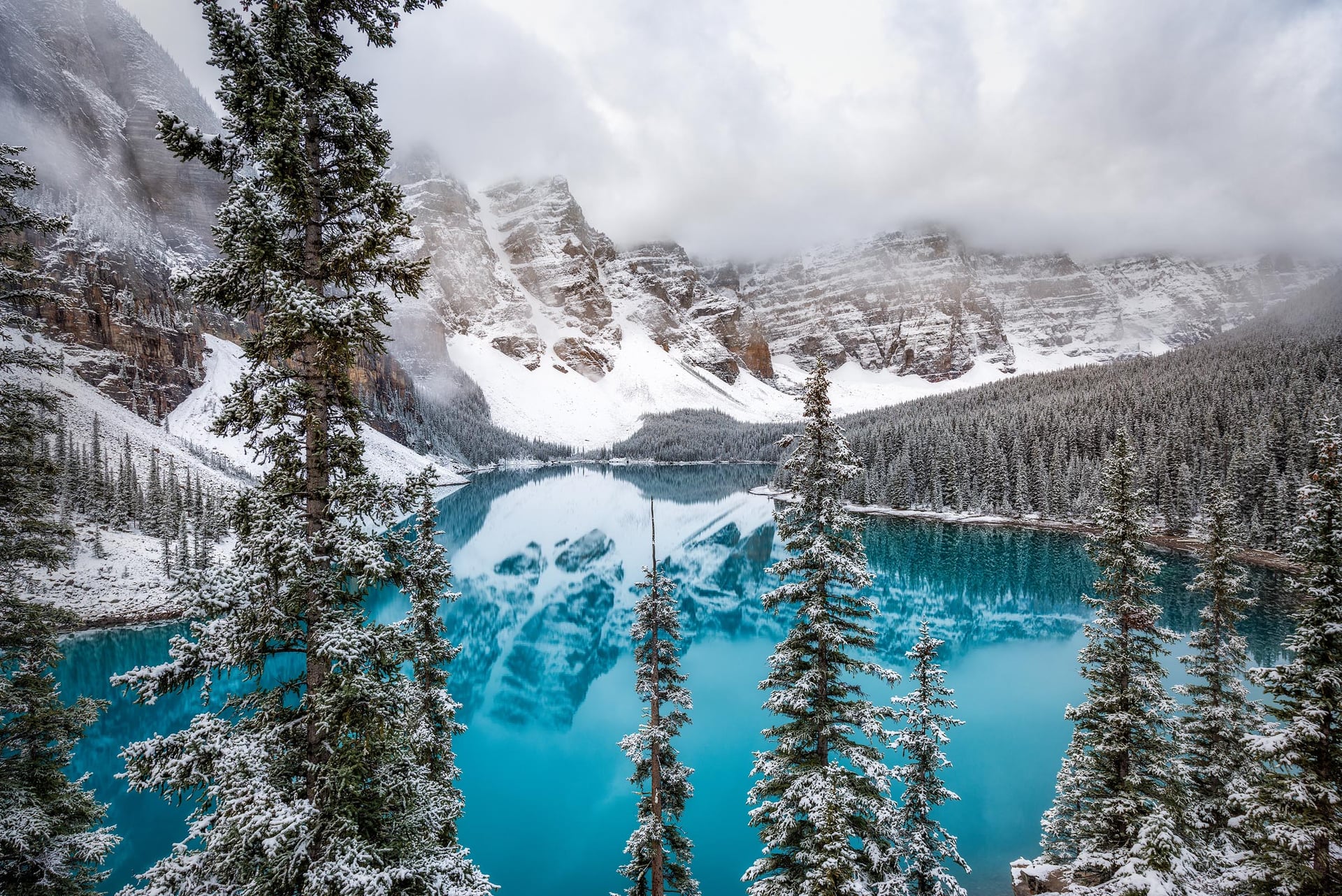
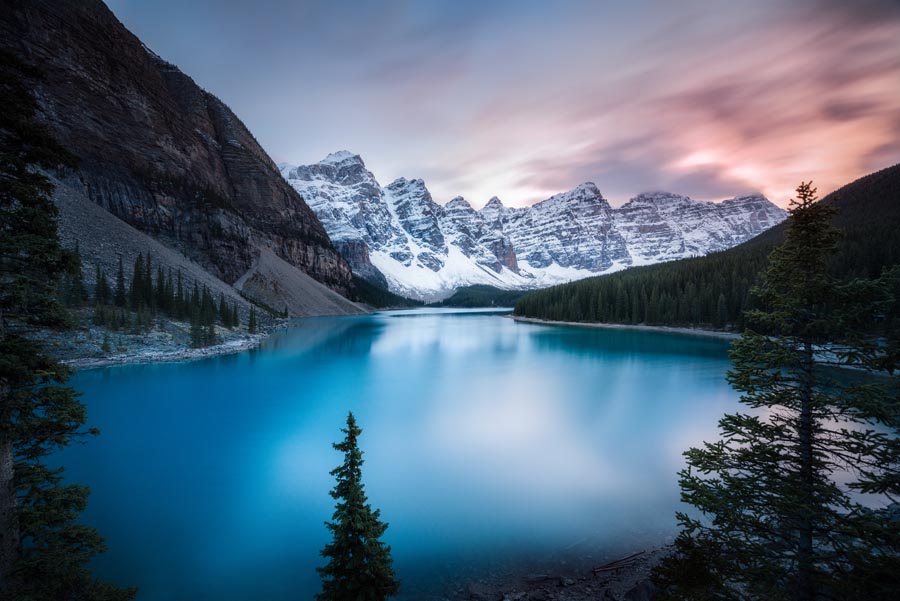
Moraine Lake is located inside Banff National Park in Alberta, Canada, and it is one of the most photographed lakes in the Canadian Rockies. The vibrant turquoise water sits inside the Valley of the Ten Peaks, ringed by soaring evergreens and snow-capped mountains, and a short walk from the parking lot gets you to the classic viewpoint.
I visited Moraine Lake and Banff National Park in October, and I was amazed by the amount of beauty per square foot. Countless lakes, mountains, waterfalls, and wildlife make the park a photographer's dream, and this guide covers what I wish I had known before planning my own trip: the cost to enter, how to get there, when the road is open, and the best time of day to photograph Moraine Lake in every season.
Moraine Lake at a Glance
Location: Banff National Park, Alberta, Canada, in the Valley of the Ten Peaks
Access: Paved parking lot and the 0.8 km (0.5 mile) Rockpile Trail to the classic viewpoint
Open season: Late May or early June through the second Monday in October
Best light: Sunrise and sunset, since the surrounding peaks block direct midday sun
Cost: Covered by the standard Banff National Park entry fee, see current pricing below
Cost to Visit Moraine Lake
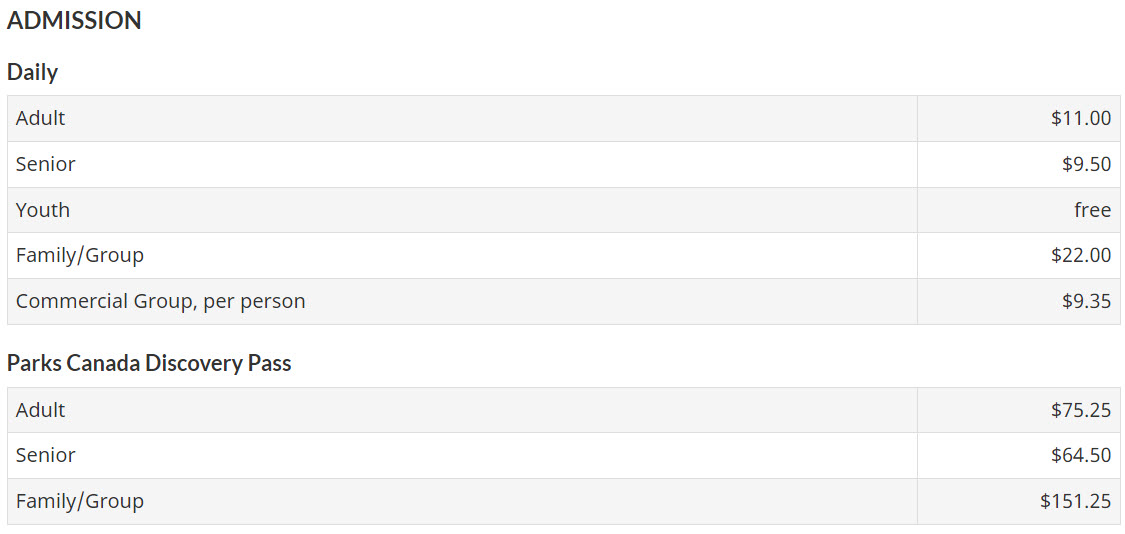
Because Moraine Lake is located within Banff National Park, you only need to pay a fee to enter the park but not to visit the lake. The table below shows the latest pricing to enter Banff National Park as of August 5th 2026.
Getting to Moraine Lake
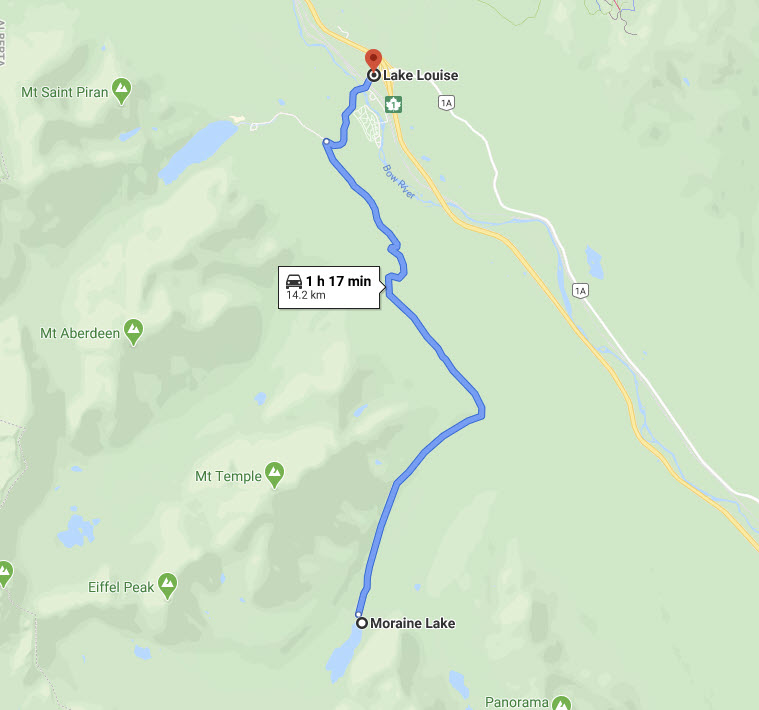
Driving to Moraine Lake is easy, since only one road leads there: Moraine Lake Road. The drive takes a little over an hour if you are departing from Lake Louise. During peak summer, the parking lot regularly fills before sunrise, and you may need to take a shuttle to reach the lake. I recommend visiting at sunrise or sunset, both for the light and to help avoid the crowds.
From the parking lot, a short trail called the Rockpile Trail leads to the viewpoint. The trail is 0.8 km or 0.5 miles, with steps etched into the stone that provide a gradual climb to the turquoise water and mountain views the lake is known for.
If there has been recent snowfall, I recommend bringing crampons for your boots or shoes to prevent slipping on the icy stone steps. During my trip, I was walking down the staircase when my feet slipped out from under me, and I landed hard on my knees and tripod. Fortunately I was able to get back on my feet uninjured. I saw several other visitors fall as well, so plan accordingly.
Time of Year to Visit
You are limited to visiting Moraine Lake while the road is open. Moraine Lake Road closes during winter due to avalanche risk, typically the second Monday in October after Canadian Thanksgiving, though the Parks Canada website has the most current dates. The road reopens between the third week in May and the first week of June.
The lake remains frozen until late May or early June. By late June through early July, the water is at its peak turquoise color.
From June until the road closure, you can witness the stunning turquoise blue water that Moraine Lake is famous for. The green-blue color is the result of light reflecting off rock flour, fine sediment carried into the lake by glacial runoff.
I visited Moraine Lake in October, just before the road closure, and had an amazing experience. The park was far less crowded during this shoulder season, and fresh snowfall blanketed the mountains, pines, and valley floor.
You can also check the Sunrise & Sunset Forecast tool for a live light-quality score and the Golden Hour & Blue Hour Trends tool to see light-quality, as well as temperature and precipitation, over the course of the year.

Weather in Banff
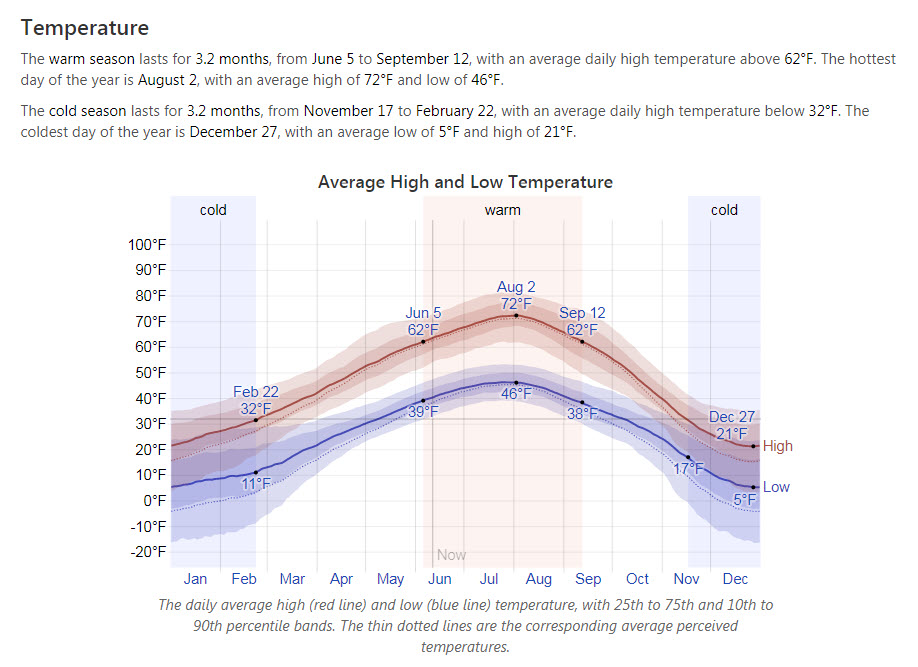
The temperature in Banff fluctuates substantially throughout the year. The winters are long and cold, and the graph from WeatherSpark below shows temperatures getting as cold as 5 degrees F. The summers are mild and comfortable by comparison.
Best Time of Day to Photograph Moraine Lake
Moraine Lake sits in the Valley of the Ten Peaks, surrounded by mountain ranges. As a result, the softest and warmest light will not reach the lake since it is blocked by the peaks. During all months, you can still get amazing color in the sky during sunrise and sunset. In summer, golden light will reach the mountain peaks themselves, but not during fall and winter.
The images below are from the Photographer's Ephemeris. I use this application heavily for scouting the best light before taking photographs.
Fall and Winter Photography
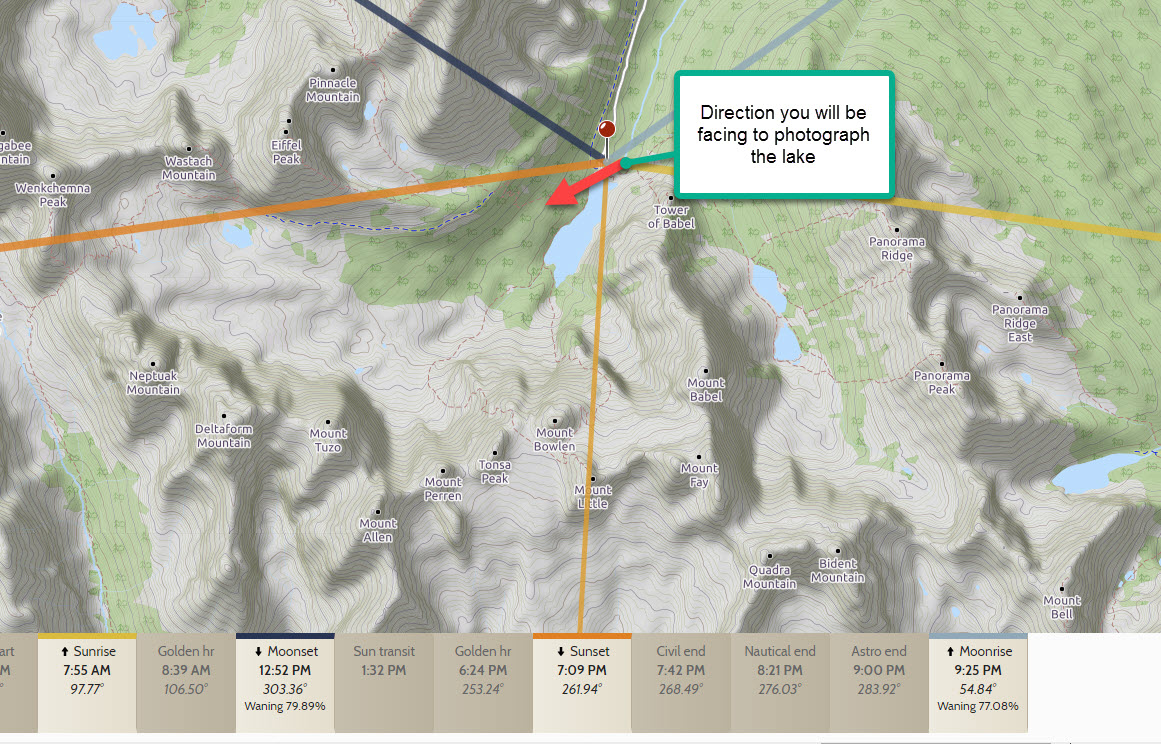
During October, the sun rises and sets as shown below. Though the sun sets at 7:09 PM according to the information shown, the last light falls on the mountain range about 20 minutes earlier, at 6:50 PM. The sun rises at 7:55 AM, but light does not reach the peaks until about 40 minutes later, at 8:35 AM.
I prefer sunset photography during fall and winter because the clouds behind the mountain range light up with color.
Summer Photography
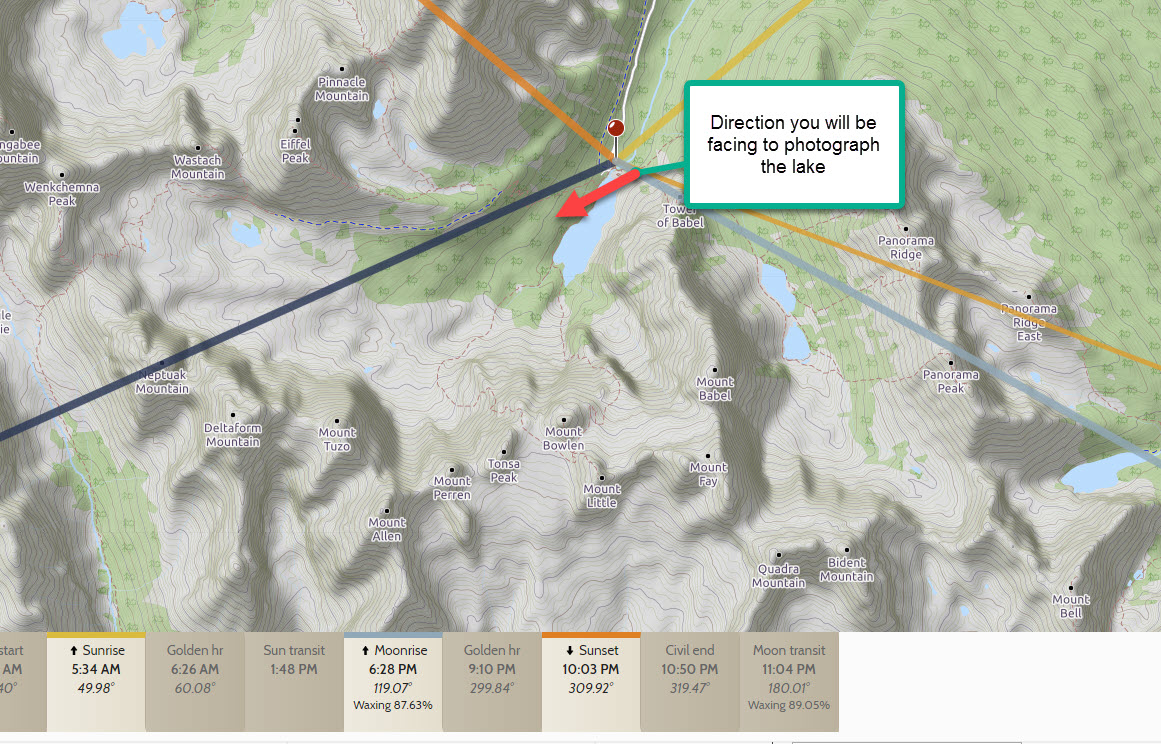
During summer, the sun rises and sets further to the north. The image below shows the sunrise and sunset locations in July. Because of where the sun rises and sets, it is able to peek through and light the peaks of the mountain range just before and after it crosses the horizon. Sunrise provides softer light on the mountains for a longer period than sunset.
I prefer sunrise photography during the summer because the mountain range receives soft light for the longest period of time.
Nearby Locations in the Canadian Rockies
Moraine Lake is only one stop in Banff National Park worth building a trip around. A short drive away, Lake Louise offers its own turquoise water and a classic view across the lake toward the Victoria Glacier. Further north along the Icefields Parkway, Bow Lake and Peyto Lake add two more glacier-fed lakes to the itinerary, and the Vermilion Lakes at the edge of the Banff townsite are an easy sunrise or sunset stop if you are short on time.

Wildlife sightings are common throughout the park. While driving the Icefields Parkway after photographing Bow Lake, a large brown bear crossed the road only a few feet in front of my car, a good reminder to stay alert and give animals plenty of room. I have more images from Moraine Lake, Lake Louise, Bow Lake, and the Vermilion Lakes in my Canadian Rockies gallery.
Frequently Asked Questions
How much does it cost to visit Moraine Lake?
There is no separate fee to visit Moraine Lake. You pay only the standard Banff National Park entry fee, which covers the whole park for the day. See current pricing above.
Is Moraine Lake frozen in winter?
Yes. Moraine Lake freezes over and stays frozen from around October until late May or early June, and Moraine Lake Road is closed to vehicles for the same period because of avalanche risk.
Can you get to Moraine Lake without a car?
Yes. Parks Canada and Roam Transit run shuttle service to Moraine Lake during the open season, and it is often required in peak summer once the parking lot fills.
What is the best time of day to photograph Moraine Lake?
Sunrise and sunset produce the best color in the sky, since the surrounding peaks block direct sun the rest of the day. In summer, golden light also reaches the mountain peaks just after sunrise and before sunset.
If you would like a piece of the Canadian Rockies for your own wall, I offer fine art prints of Moraine Lake and the surrounding lakes on gallery acrylic and FujiFlex paper in my Canadian Rockies gallery.
Get Notified of New Editions
New limited edition prints are released a few times a year. Join the list to hear first.