
New Shutter Speed
1/100
Base speed
6 stops
ND 1.8 · ND64
ND Filter
Base Shutter Speed
This free long exposure calculator takes the guesswork out of ND filter photography. Select your base shutter speed, the metered exposure without any filter attached, then choose the number of stops your neutral density filter blocks. The calculator instantly outputs the correct long exposure time using the formula: New Shutter Speed = Base Speed × 2stops.
Once you have your target time, hit Startfor a 3-second countdown before the timer begins. This is especially useful for exposures that exceed your camera's built-in 30-second limit in bulb mode, and for keeping your hands off the camera during the exposure to avoid shake.
The calculator covers ND filters from 1 stop (ND2 / ND 0.3 density) through to 15 stops (ND32000 / ND 4.5 density), and base shutter speeds from 1/8000s all the way to 30s, every standard photographer shutter speed.
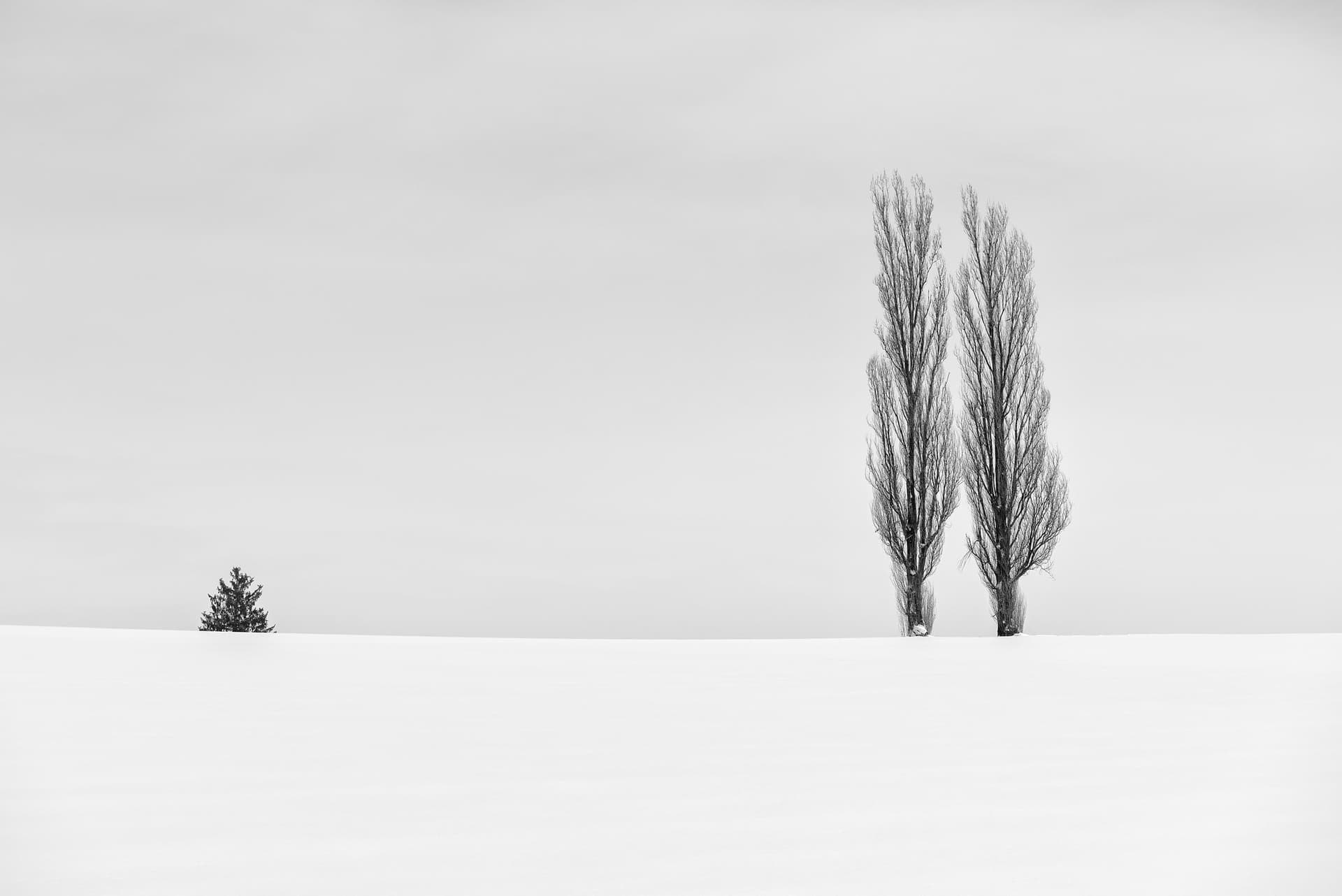
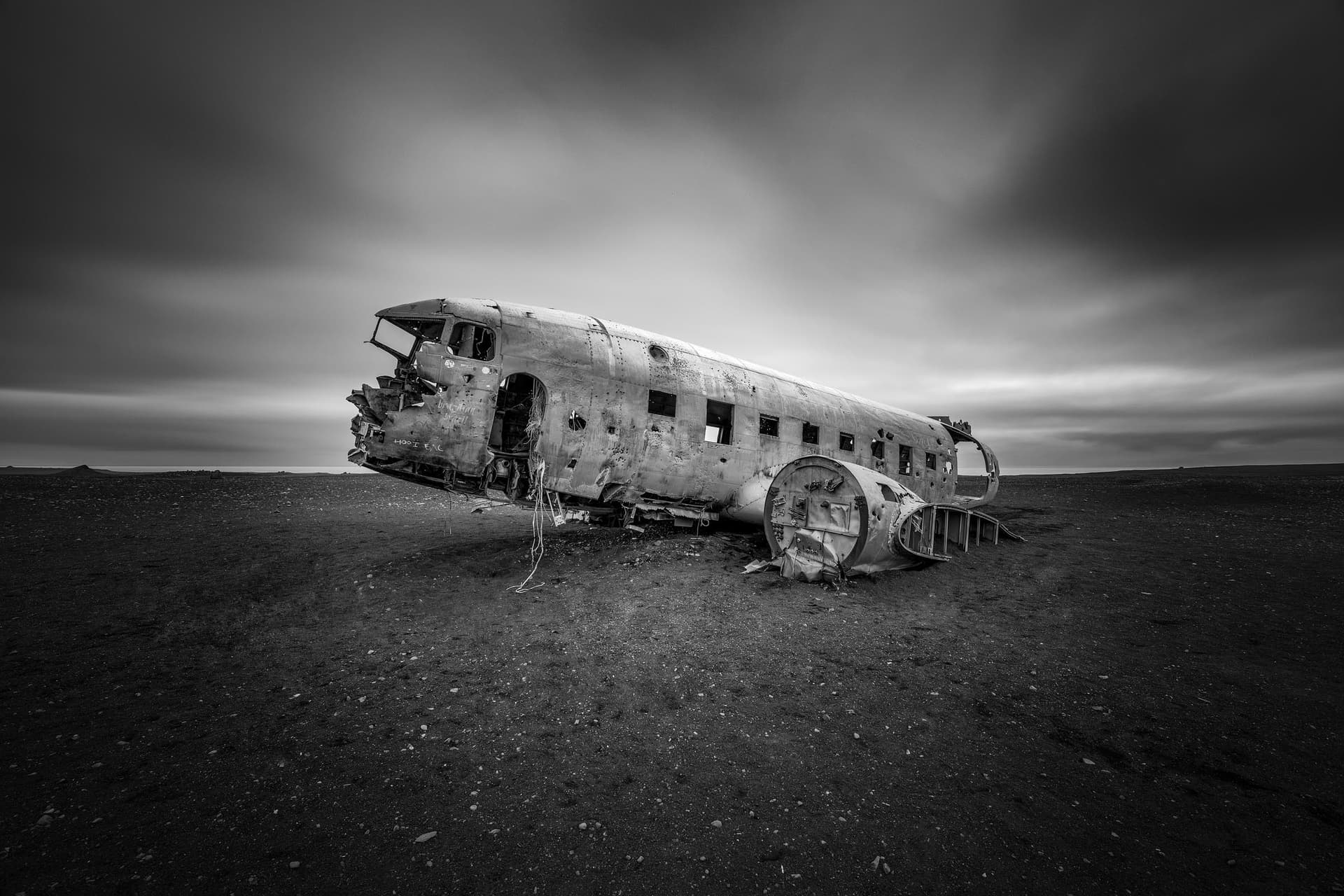
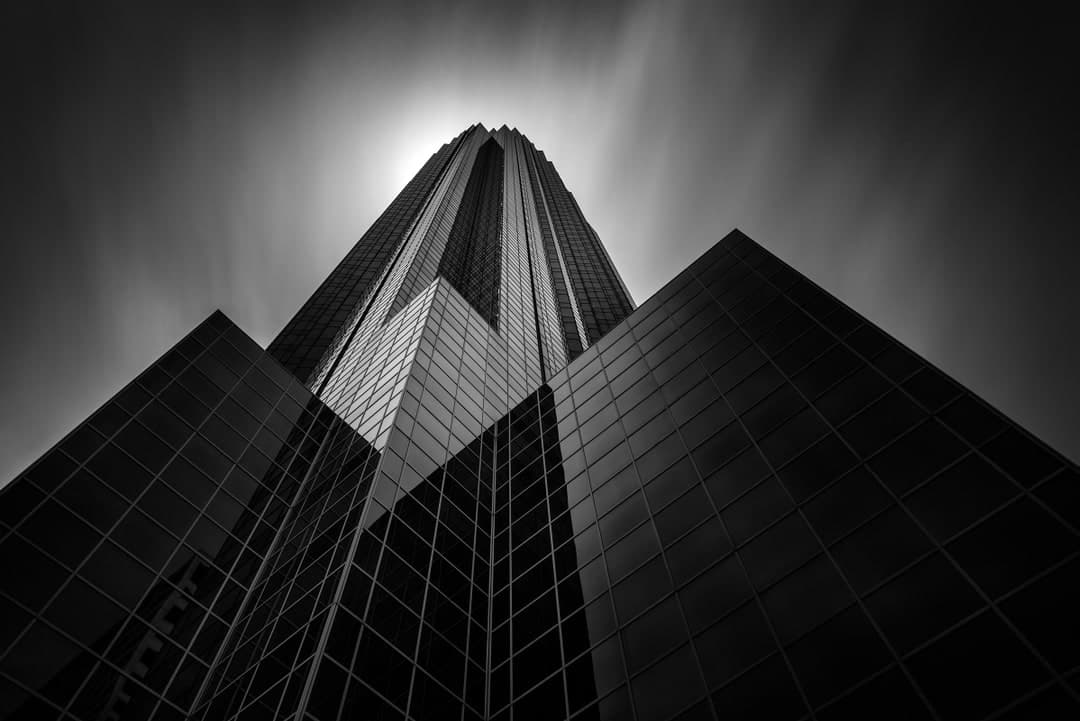
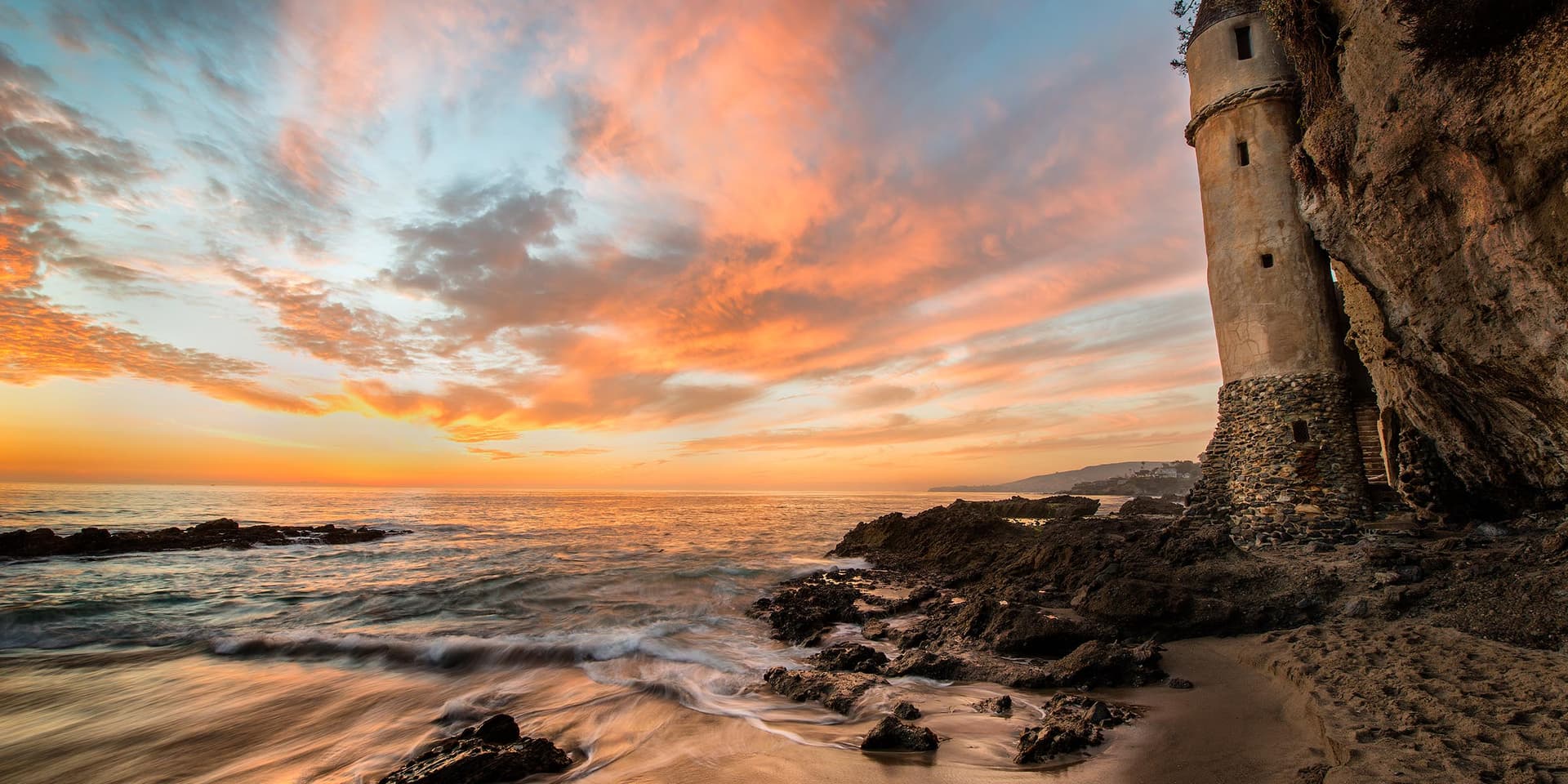
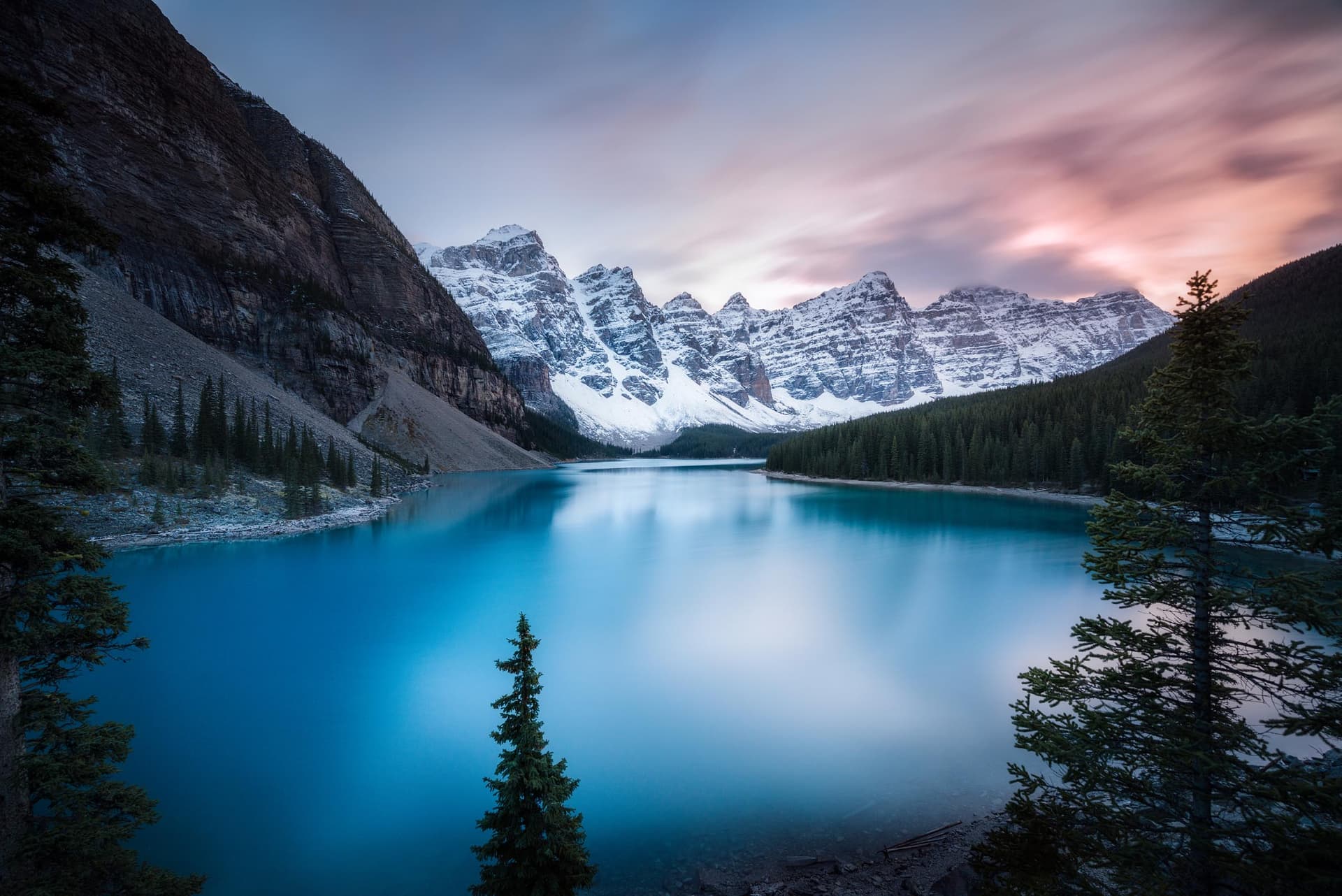
Long exposure is how most of the water and cloud movement in my print galleries was made. Coastal seascapes smoothed over several seconds, waterfalls softened at six stops, cloud trails drawn out past a minute in midday light.
1-Stop · ND 0.3 · ND2
Subtle light reduction; balancing bright sky against foreground.
3-Stop · ND 0.9 · ND8
Silky water and gentle motion blur in bright outdoor light.
6-Stop · ND 1.8 · ND64
Smooth waterfalls and drifting clouds during the golden hour.
10-Stop · ND 3.0 · ND1000
Dramatic long exposures in full midday sun; creamy water.
13-Stop · ND 3.9 · ND8000
Ultra-long exposures measured in minutes; ghosting crowds.
15-Stop · ND 4.5 · ND32000
Extreme specialist work; 10+ minute daytime exposures.
The Formula
Each stop of ND glass halves the light reaching the sensor. To maintain the same exposure value, the shutter must stay open twice as long per stop. Result = Base Speed × 2stops.
Worked Example
Base speed 1/100s with a 10-stop ND1000: 1/100 × 210= 1/100 × 1024 ≈ 10.2 s.
Density Numbers
The optical density printed on most filters (e.g., ND 3.0) equals stops × 0.3. An ND 3.0 filter therefore blocks 10 stops of light.
Every stop of neutral density doubles the exposure time. Take your unfiltered shutter speed and double it once per stop, so 1/60 second behind a 10 stop filter becomes about 17 seconds. The calculator above does that arithmetic for you, including the awkward fractional speeds.
The optical density printed on the filter equals stops multiplied by 0.3, so ND 0.9 is 3 stops, ND 1.8 is 6 stops, and ND 3.0 is 10 stops. Filters sold as ND8, ND64, and ND1000 use the light reduction factor instead, which works out to the same 3, 6, and 10 stops.
It depends on the effect. Roughly a quarter to two seconds keeps some texture and motion in moving water, two to ten seconds smooths it into soft streaks, and thirty seconds or more renders it as flat mist. Waves and waterfalls need less time than slow rivers.
Yes, for anything beyond roughly a half second. Handheld shots blur from your own movement rather than the subject, which is not the effect you are after. Use a remote release or a two second self timer as well, so pressing the shutter does not shake the camera.
Very dense filters can drift from their rated strength, and some meters struggle in low light, so a strong ND may cost slightly more light than its rated stops. If a frame is consistently dark, add a third to a full stop of exposure and use that as your correction.
Reciprocity failure is film losing sensitivity during very long exposures, needing extra time beyond the calculation. Digital sensors do not have it, so the calculated time is correct as is. On film, check the manufacturer’s correction chart past about one second.
Limited edition landscape and nature prints on gallery acrylic and FujiFlex paper.
Score the light before you drive out, with golden hour and blue hour windows for any location and date.
Find the clearest, darkest nights to shoot the galactic core, with moon phase and cloud forecast built in.
Location notes and trip reports covering how individual images were planned and shot.
Found a bug, have feedback, or want to see a new tool?
The Long Exposure Calculator is one of a handful of free tools I've built for photographers. Let me know what worked, what didn't, or what you'd like to see built next.
Get in TouchNew limited edition prints are released a few times a year, and this is also where new tools and updates to existing ones get announced. Join the list to hear first.
Limited edition fine art prints where the exposure did the work. Smoothed water, drifting cloud, light drawn out past a minute. Free shipping in the US.